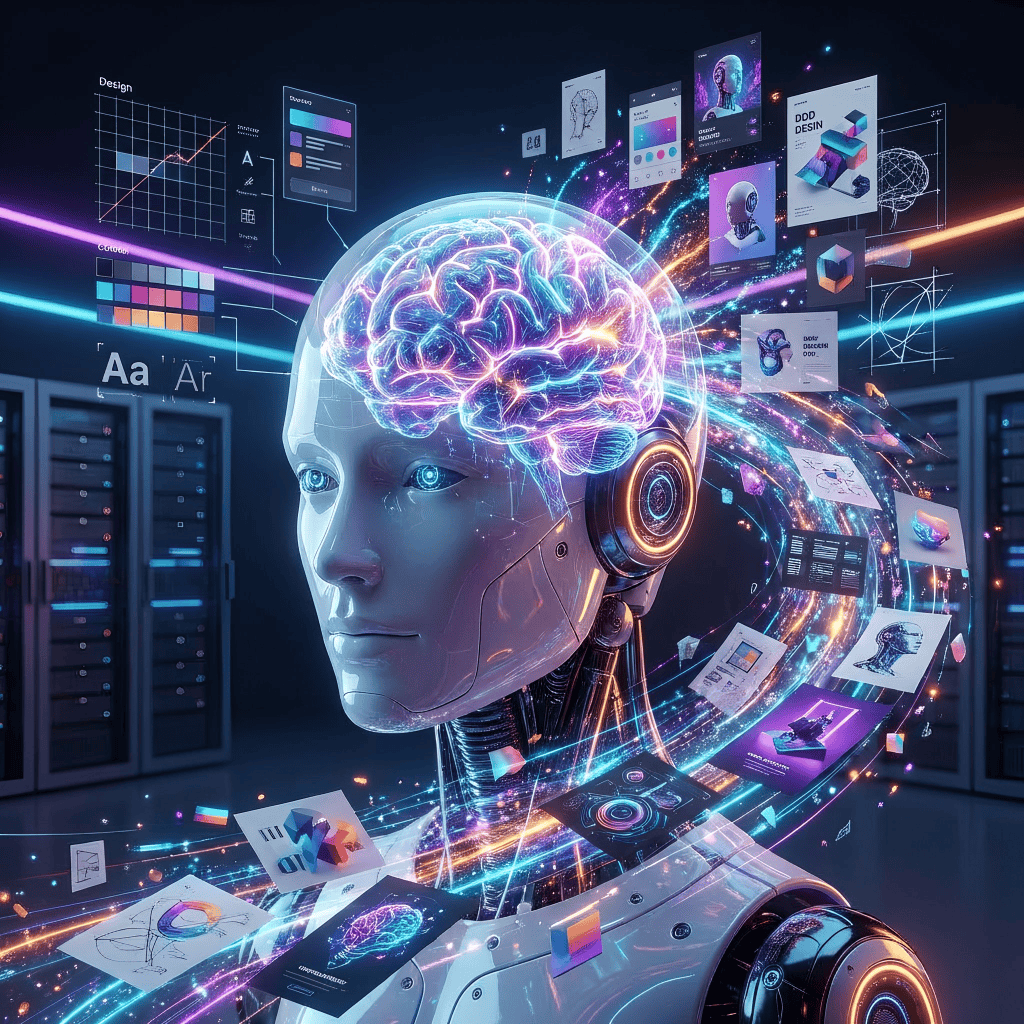
AI image generation has become essential for designers, filmmakers, marketers, and content creators. In 2026, tools are more powerful, accurate, and deeply integrated into creative workflows than ever before.
If you want to explore more AI tools for creators, check our guide on AI Tools for Creators and our detailed comparison of Best AI Tools for Filmmakers for workflow expansion.
Below are the 5 best AI image generators in 2026, compared by performance, features, and commercial usability.
1. Google Gemini Image Generation – Best All-Around Performance
Powered by Google, Gemini delivers strong prompt understanding, fast rendering, and deep ecosystem integration.
It works best for users who need quick marketing visuals and business-oriented image creation inside Google workflows.
✅ Pros
- Excellent prompt interpretation
- Fast generation speed
- Strong integration with Google tools
- Good for productivity and marketing
❌ Cons
- Limited artistic style flexibility
- Advanced features may require paid access
👉 Best for business users and creators who value speed and reliability.
2. Midjourney – Best for Artistic & Concept Designs
Midjourney is widely recognized for producing highly detailed and artistic visuals.
It is popular among concept artists, filmmakers, and designers who need cinematic-quality imagery.
✅ Pros
- Exceptional artistic output
- Strong community support
- Highly detailed visuals
- Great for posters and concept art
❌ Cons
- Learning curve for prompt optimization
- No unlimited free plan
- Privacy settings required for private projects
👉 Best for creatives focused on visual aesthetics.
3. Adobe Firefly – Best for Designers & Creative Workflows
Developed by Adobe, Firefly integrates directly into Photoshop, Illustrator, and Creative Cloud applications.
It is built for safe commercial use and seamless workflow integration.
✅ Pros
- Deep integration with Adobe tools
- Commercial-friendly licensing
- Beginner-friendly interface
- Strong editing control
❌ Cons
- Subscription-based pricing
- Less stylistic freedom than Midjourney
👉 Best for designers already working in Adobe ecosystems.
4. FLUX.2 – Best for Photorealism & Technical Precision
Built by Black Forest Labs, FLUX.2 is known for extremely realistic outputs and strong structural accuracy.
It is widely used for product visualization and high-end advertising visuals.
✅ Pros
- High photorealism quality
- Strong composition control
- Excellent detail accuracy
- Suitable for commercial projects
❌ Cons
- Requires technical setup for optimal performance
- Usage-based pricing can increase costs
👉 Best for agencies and product marketing professionals.
5. GPT-Based Image Generation – Best for Conversational Creation
AI image generation systems integrated into chat platforms are powered by research from OpenAI.
Users generate and refine images through natural conversation.
✅ Pros
- Easy prompt refinement
- Iterative editing through chat
- Beginner friendly
- Fast prototyping
❌ Cons
- Limited advanced control
- Usage limits on free plans
👉 Best for rapid ideation and quick concept testing.
🔥 Comparison Table
| Tool | Best For | Strength |
|---|---|---|
| Google Gemini | Business & Marketing | Speed + Integration |
| Midjourney | Artistic Content | Creative Quality |
| Adobe Firefly | Designers | Workflow Efficiency |
| FLUX.2 | Photorealism | Technical Precision |
| GPT Image Tools | Beginners | Easy Iteration |
✅ Frequently Asked Questions
❓ What is the best AI image generator in 2026?
It depends on your needs:
- Artistic visuals → Midjourney
- Photorealism → FLUX.2
- Business use → Google Gemini
- Design workflow → Adobe Firefly
❓ Are AI-generated images safe for commercial use?
Most platforms offer commercial licenses, but policies vary.
Always review the official terms before using images for paid projects.
❓ Which AI image generator is best for beginners?
Chat-based image generation tools are easiest because they allow natural conversation and iterative improvement.
❓ Can AI image generators replace designers?
No. AI tools enhance productivity but still require human creativity, editing, and strategic direction.
⚖ Disclaimer
The information in this article is based on publicly available data at the time of writing. AI platforms frequently update features, pricing, and policies. We recommend visiting the official websites of each tool for the most up-to-date information before making any purchasing or commercial decisions.
We are not affiliated with any of the tools mentioned unless explicitly stated.
💰 Affiliate Disclosure
Some links in this article may be affiliate links. We may earn a commission at no additional cost to you.